





Every generation of BMW M3 has its own expensive problems—here’s what you need to know before you buy
The BMW M3 has earned its reputation as one of the most celebrated sports sedans ever built, but that doesn’t mean it’s immune to mechanical drama. In fact, each generation of M3 has its own particular set of gremlins, weak points, and wallet-draining failure modes that prospective buyers need to understand before signing on the dotted line. Whether you’re shopping for a classic E30, a screaming E46, or a modern F80, knowing what breaks—and why—can save you thousands in unexpected repair bills.
This isn’t about scaring you away from BMW M3 ownership. These are brilliant cars, and many owners rack up hundreds of thousands of miles with proper maintenance and a bit of luck. But going in blind is a recipe for financial pain, especially as these cars age and depreciate into the hands of enthusiasts who may not have BMW dealer money for repairs. Understanding the common failure points means you can budget accordingly, inspect thoroughly before purchase, and know when to walk away from a car that’s been neglected or abused.
Below, I’m breaking down each generation from the original E30 through today’s G80—covering what breaks, why it breaks, what it costs to fix, and what you can actually do about it. Some of this stuff is minor. Some of it will grenade your engine and total the car. Either way, you want to know about it before you’re writing the check.

BMW M3 E30 (1986-1991): The Original and Its Age-Related Ailments
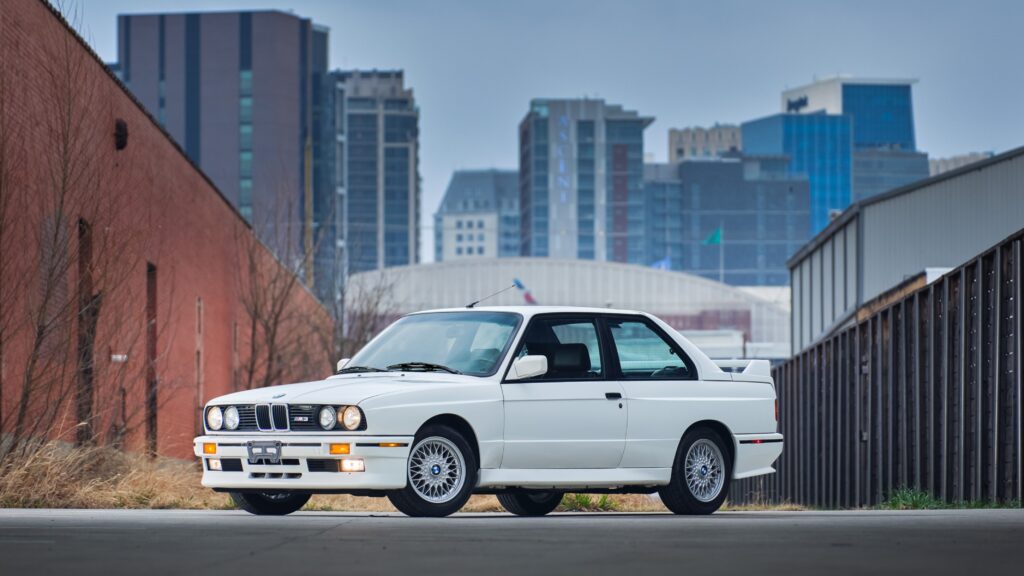
The E30 M3 is the car that started it all, and at this point, even the newest examples are over three decades old. That means you’re dealing with classic car problems as much as M3-specific issues. The good news is that the S14 four-cylinder engine is fundamentally robust and can last hundreds of thousands of miles with proper care. The bad news is that everything around it is old, and age takes its toll.
Timing Belt and Water Pump Failures
The S14 engine uses a timing belt rather than a chain, and if that belt breaks, you’re looking at catastrophic valve-to-piston contact and a destroyed engine. BMW’s recommended interval was 60,000 miles or four years, but most experts now recommend changing it every three years regardless of mileage due to age-related deterioration. The water pump typically fails around the same interval, and since you’re already in there doing the timing belt, it makes sense to replace it at the same time. Expect to spend $1,500 to $2,500 for a proper timing belt service including the water pump, tensioner, and related seals. Skip this service at your peril—a broken timing belt can easily result in $8,000 to $15,000 in engine rebuild costs.
Cracked Cylinder Heads
The S14’s cylinder head is prone to cracking between the valve seats, particularly on cars that have been overheated or run hard without proper cooling system maintenance. This is an expensive failure that requires either a replacement head or a complete rebuild. A used head in good condition can cost $2,000 to $3,000, and you’ll spend another $2,000 to $3,000 in machine work and labor to install it properly. Prevention is key here: maintain your cooling system religiously, don’t overheat the engine, and consider upgrading to a better radiator and oil cooler if you’re tracking the car.
Differential Failures and Rear Subframe Cracks
The BMW E30 M3’s limited-slip differential is a wear item, and after 30-plus years, many are worn out or making noise. A rebuild costs $1,000 to $1,500, while a replacement unit can run $2,000 to $3,000 depending on availability. More concerning is rear subframe cracking, which affects many E30s regardless of whether they’re M3s or not. The subframe can crack where it mounts to the chassis, particularly on cars that have seen hard use or track time. Repair involves welding reinforcement plates, which costs $1,000 to $2,000 if caught early. If the cracks are severe, you’re looking at a much more expensive repair or even a car that’s not worth fixing.
Electrical Gremlins and Wiring Harness Degradation
Thirty-year-old German wiring doesn’t age gracefully. The E30 M3’s wiring harness can become brittle, leading to intermittent electrical issues, failed sensors, and general frustration. The engine bay harness is particularly prone to heat-related degradation. A complete engine harness replacement costs $500 to $800 in parts plus significant labor, but it’s often the only real solution to persistent electrical problems. Budget for random electrical issues on any E30 M3, and consider a harness replacement as preventive maintenance if you’re planning to keep the car long-term.
BMW M3 E36 (1995-1999): The Affordable One With Hidden Costs
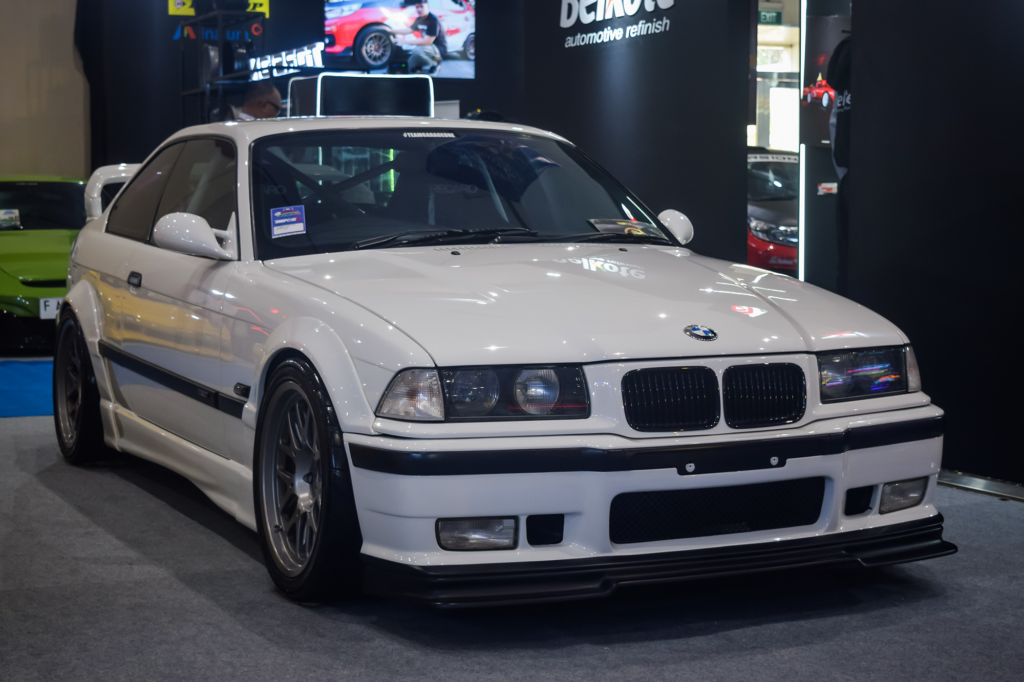
The E36 M3 is the most affordable M3 you can buy, and there’s a reason for that. While the S50 and S52 engines are generally reliable, the E36 chassis has some significant weak points that can make ownership expensive. These cars are now 25 to 30 years old, which means deferred maintenance is common and age-related failures are inevitable.
Cooling System Failures
The E36’s cooling system is its Achilles heel, and virtually every component is a wear item that will eventually fail. The plastic radiator end tanks crack, the water pump fails, the expansion tank cracks, the thermostat housing cracks, and the hoses deteriorate. The problem is that these failures often happen without warning, and if you overheat the engine, you can warp the cylinder head or blow the head gasket. A complete cooling system overhaul—radiator, water pump, expansion tank, thermostat, hoses, and coolant—costs $1,500 to $2,000 in parts and labor. This is essentially mandatory maintenance on any E36 M3, and if the previous owner hasn’t done it, you should budget for it immediately.
VANOS System Failures
The E36 M3’s single VANOS (variable valve timing) system is prone to seal failure, which causes rough idle, poor low-end torque, and a rattling noise on startup. The VANOS unit itself is robust, but the internal seals deteriorate over time and allow oil pressure to bleed off. A VANOS rebuild kit costs $200 to $300, and labor adds another $500 to $800 depending on the shop. This is a common failure on high-mileage E36 M3s, and while it won’t leave you stranded, it does affect drivability and should be addressed.
Rear Trailing Arm Bushing Failures
The E36’s rear trailing arm bushings are made of rubber and deteriorate over time, leading to excessive rear-end movement, poor handling, and alignment issues. Replacing them with OEM rubber bushings costs $400 to $600 in parts and labor, but most enthusiasts upgrade to polyurethane or spherical bearings for better handling and longevity. The upgraded bushings cost $300 to $500 for the parts alone, plus installation. This is a wear item that affects every E36, and if the car feels loose or imprecise in the rear, worn trailing arm bushings are likely the culprit.
Oil Pump Nut Failures
This is the big one—the failure that can destroy an otherwise healthy engine without warning. The E36 M3’s oil pump is driven by a nut on the end of the crankshaft, and that nut can come loose, causing catastrophic oil pressure loss and engine failure. This primarily affects 1995-1996 models with the S50 engine, though some early S52 engines are also susceptible. The fix is to remove the oil pan, stake or safety-wire the nut, and reinstall everything. This costs $800 to $1,200 in labor, but it’s cheap insurance against a $10,000 engine replacement. If you’re buying a 1995-1996 E36 M3, verify that this has been addressed, or budget for it immediately.
BMW M3 E46 (2001-2006): The Screamer With Expensive Problems
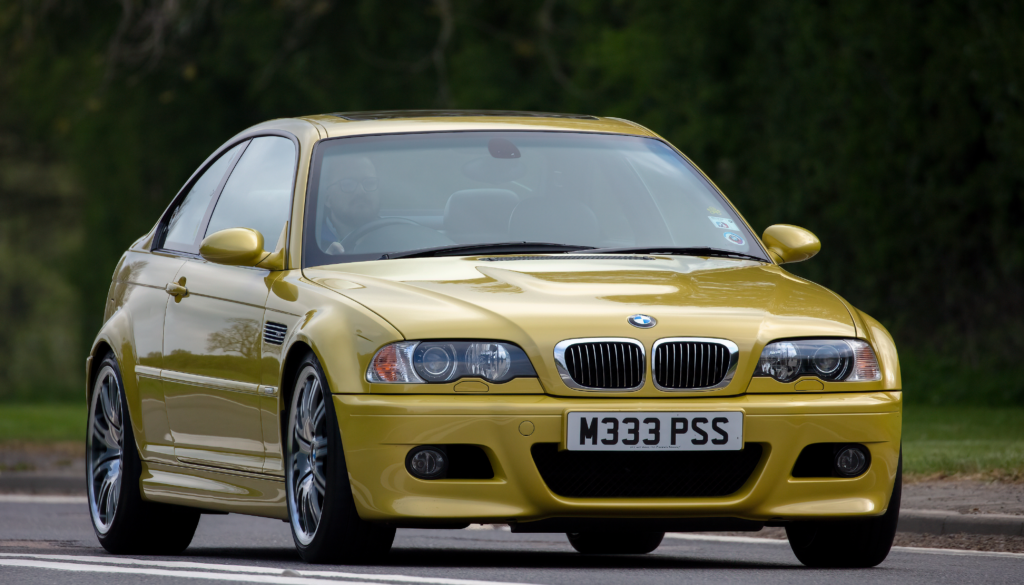
The E46 M3 is widely considered the best-driving M3 ever made, thanks to its naturally aspirated S54 inline-six that revs to 8,000 rpm and produces 333 horsepower. It’s also one of the most expensive M3s to maintain, with several catastrophic failure modes that can total an otherwise solid car. If you’re shopping for an E46 M3, you need to understand these issues and budget accordingly.
Rod Bearing Failures
This is the big one, the failure that keeps E46 M3 owners up at night. The S54 engine uses relatively small rod bearings that are prone to premature wear, particularly on cars that see aggressive driving, track use, or extended oil change intervals. When the bearings fail, the connecting rod can break, punch through the engine block, and destroy the engine. A rod bearing failure typically results in a $15,000 to $25,000 engine replacement or rebuild. The warning signs include metallic rattling at idle, low oil pressure, and metal flakes in the oil. Many owners perform preventive rod bearing replacement every 60,000 to 80,000 miles, which costs $3,000 to $5,000 but is far cheaper than an engine replacement.
The root cause is a combination of bearing design, oil flow characteristics, and the high loads generated by the S54’s high-revving nature. BMW never issued a recall, but the problem is well-documented in the enthusiast community. If you’re buying an E46 M3, ask about rod bearing service history, and if it hasn’t been done, budget for it immediately. Some owners upgrade to aftermarket bearings with better oil clearances, which provides additional insurance against failure.
VANOS System Failures
The E46 M3 uses a dual VANOS system that controls intake and exhaust cam timing, and it’s significantly more complex than the single VANOS in the E36. The VANOS solenoids fail, the internal seals deteriorate, and the VANOS hubs can crack or break. Symptoms include rough idle, poor throttle response, rattling on startup, and check engine lights with VANOS-related fault codes. A complete VANOS rebuild costs $2,000 to $3,000 including parts and labor, and it’s a common failure on high-mileage cars. Some owners upgrade to aftermarket VANOS solutions like the Beisan Systems rebuild, which addresses the design weaknesses and provides better long-term reliability.
Subframe Cracking and Tearing
This is the other catastrophic failure that affects E46 M3s, and it’s purely a chassis issue rather than an engine problem. The rear subframe mounts to the chassis through four mounting points, and those mounting points can crack or tear out of the sheet metal, particularly on cars that have seen hard use or track time. The problem is exacerbated by the E46’s relatively thin sheet metal and the high loads generated by the M3’s suspension and differential. Early symptoms include clunking from the rear, misalignment that can’t be corrected, and visible cracks around the subframe mounting points.
The proper repair involves removing the subframe, welding in reinforcement plates, and reinstalling everything with new bushings and hardware. This costs $3,000 to $5,000 at a reputable shop, and it’s essentially mandatory on any E46 M3 that will see aggressive driving. Many owners perform this repair preventively, and it’s one of the first things you should check when inspecting a potential purchase. Look for cracks in the trunk floor around the subframe mounting points, and be wary of any car that shows signs of subframe movement.
SMG Transmission Failures
The E46 M3 was available with a six-speed manual or the SMG (Sequential Manual Gearbox), which is essentially an automated manual transmission. The SMG system is complex, expensive to repair, and prone to failure. The hydraulic pump fails, the accumulator fails, the clutch wears out, and the software can be glitchy. A new SMG pump costs $1,500 to $2,000, the accumulator is another $500, and a clutch replacement costs $2,500 to $3,500 due to the complexity of the system. Many SMG cars have been converted to manual transmission, which costs $3,000 to $5,000 but eliminates the SMG headaches entirely. If you’re shopping for an E46 M3, the manual transmission is the safer choice unless you specifically want the SMG experience and are prepared for the maintenance costs.
Cooling System Failures
Like the E36, the E46 M3’s cooling system is full of plastic components that deteriorate over time. The expansion tank cracks, the radiator end tanks fail, the water pump fails, and the thermostat housing can crack. The S54 engine runs hot, and any cooling system failure can lead to overheating and expensive engine damage. A complete cooling system overhaul costs $1,500 to $2,500, and it’s mandatory maintenance on any E46 M3. If the previous owner hasn’t done it, budget for it immediately.
BMW M3 E90/E92/E93 (2008-2013): The V8 and Its Expensive Appetite
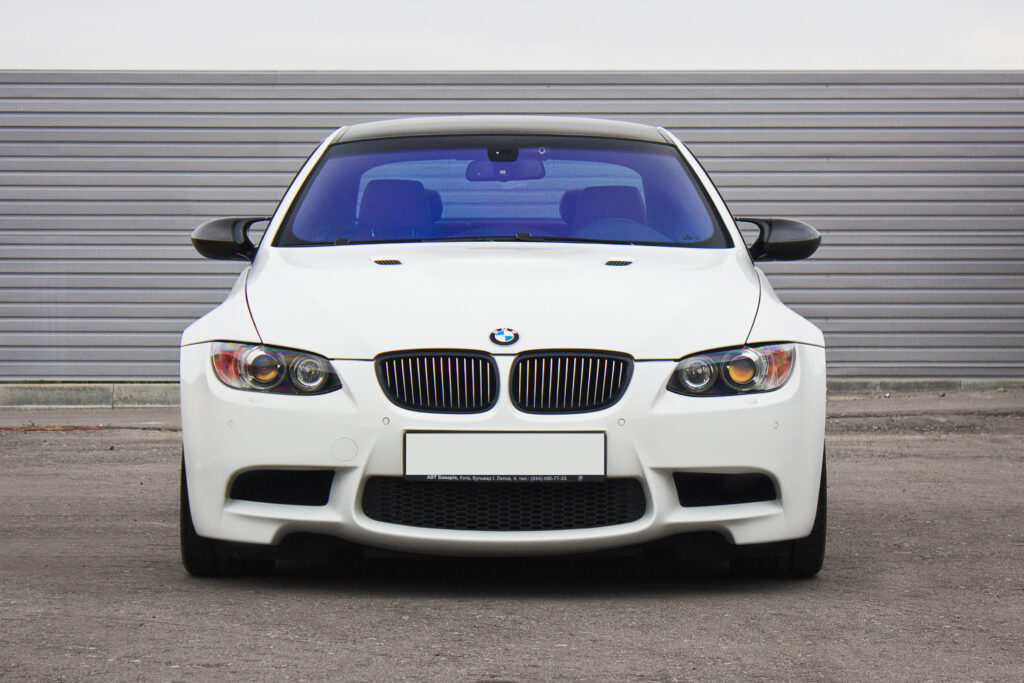
The E90-generation M3 threw out the inline-six playbook and dropped in the S65 V8 engine, a 4.0-liter naturally aspirated unit that produces 414 horsepower and revs to 8,400 rpm. It’s a glorious engine that sounds incredible and delivers supercar-level performance, but it comes with some significant maintenance costs and failure modes that make it one of the most expensive M3s to own.
Throttle Actuator Failures
The S65 engine uses individual throttle bodies for each cylinder, and those throttle bodies are controlled by electronic actuators that are prone to failure. When a throttle actuator fails, the engine goes into limp mode, power is severely limited, and you’ll get a check engine light with throttle-related fault codes. The problem is that BMW doesn’t sell the actuators separately—you have to buy the entire throttle body assembly, which costs $800 to $1,200 per cylinder. With eight cylinders, a complete throttle body replacement can cost $6,400 to $9,600 in parts alone, plus labor. This is one of the most expensive common failures on the E90 M3, and it typically happens between 60,000 and 100,000 miles.
You can rebuild the actuators or hunt down used units, and plenty of people have done it successfully, but the failure rate is high enough that most E90 M3 owners just accept that they’ll eventually need to replace them. It’s not a matter of if, but when. If you’re shopping for an E90 M3, ask about throttle actuator history, and be prepared for this expense if it hasn’t been addressed.
Rod Bearing Failures
Yes, the rod bearing problem continues into the E90 generation, though it’s somewhat less common than on the E46. The S65 V8 uses similar bearing design to the S54, and the bearings can wear prematurely, leading to catastrophic engine failure. The warning signs are the same—metallic rattling at idle, low oil pressure, and metal flakes in the oil. Preventive rod bearing replacement costs $4,000 to $6,000 due to the complexity of the V8 engine, but it’s far cheaper than a $20,000 to $30,000 engine replacement. Many owners perform this service every 60,000 to 80,000 miles as insurance against failure.
High-Pressure Fuel Pump Failures
The S65 engine uses a high-pressure fuel pump that’s driven off the exhaust camshaft, and that pump is prone to failure. When it fails, the engine won’t start or will run poorly, and you’ll get fuel pressure-related fault codes. The pump itself costs $800 to $1,200, and labor adds another $500 to $800. This is a relatively common failure on high-mileage E90 M3s, and while it won’t destroy the engine, it will leave you stranded.
Connecting Rod Bolt Failures
This is a less common but more catastrophic failure that primarily affects early E90 M3s. The connecting rod bolts can stretch or fail, leading to rod bearing failure and engine destruction. BMW issued a service campaign to inspect and replace the rod bolts on affected cars, but not all cars were caught by the campaign. If you’re buying an early E90 M3 (2008-2009), verify that the rod bolt inspection has been performed, or budget for it as preventive maintenance.
DCT Transmission Failures
The E90 M3 was available with a six-speed manual or the seven-speed DCT (Dual Clutch Transmission), which is a significant improvement over the E46’s SMG system. The DCT is generally reliable, but the clutch packs wear out over time, particularly on cars that see aggressive driving or track use. A DCT clutch replacement costs $4,000 to $6,000, and it’s typically needed between 60,000 and 100,000 miles depending on driving style. The DCT also requires regular fluid changes every 30,000 to 50,000 miles, which costs $400 to $600 but is essential for longevity.
BMW M3 F80 (2015-2020): The Turbo Era Begins
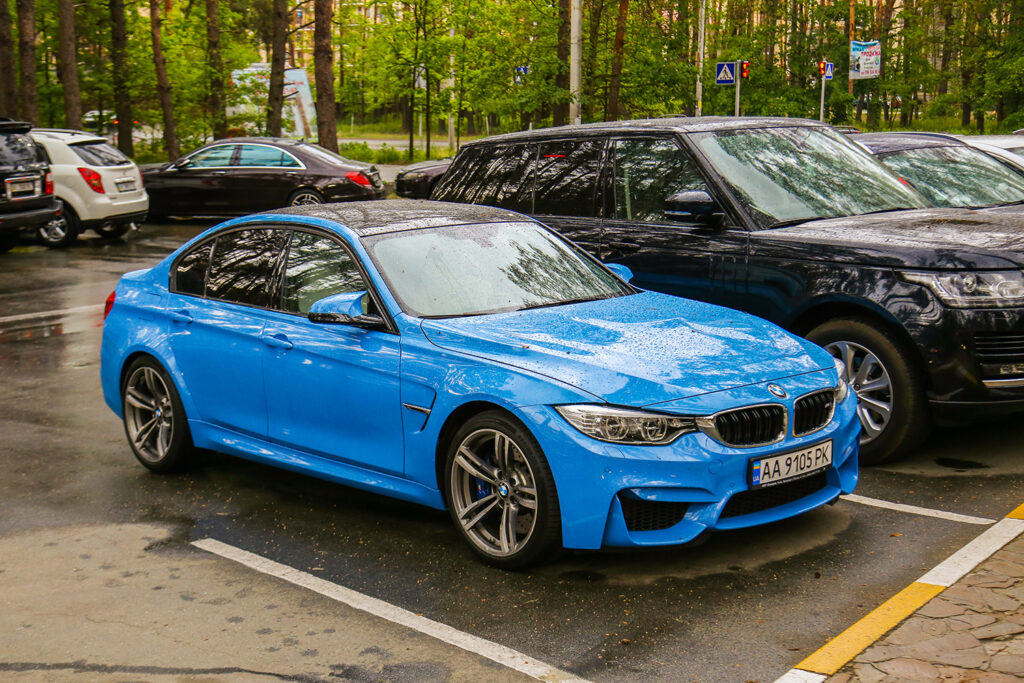
The F80 M3 threw out the V8 and brought back the inline-six—this time with twin turbos. The S55 produces 425 horsepower in standard form and 444 horsepower in Competition spec, with significantly more torque than previous M3s. The turbo engine is generally more reliable than the high-strung naturally aspirated units, but it has its own set of issues.
Crank Hub Failures
This is the big one for the F80 M3, and it’s a potentially catastrophic failure that can destroy the engine without warning. The crankshaft hub—the component that connects the crankshaft to the harmonic balancer and drives the accessory belts—can fail, causing the harmonic balancer to separate from the crankshaft. When this happens, the serpentine belt comes off, the engine loses cooling and charging, and if you don’t shut it down immediately, you can overheat the engine and cause severe damage. The failure is caused by a design flaw in the crank hub, which uses a friction fit rather than a keyed connection.
BMW issued a service campaign to inspect and replace the crank hub on affected cars, but not all cars were caught by the campaign. The repair involves replacing the crank hub with an updated design, which costs $1,500 to $2,500 including parts and labor. If you’re buying an F80 M3, verify that the crank hub has been replaced with the updated part, or budget for it immediately. This is non-negotiable—a crank hub failure can total an otherwise perfect car.
Turbocharger Wastegate Rattle
The S55 engine’s turbochargers use electronic wastegates that are prone to developing a rattling noise, particularly on cold starts. The rattle is caused by play in the wastegate actuator, and while it doesn’t typically affect performance, it’s annoying and can indicate impending wastegate failure. BMW has issued several revisions to the wastegate design, and replacement is typically covered under warranty if the car is still within the warranty period. Out of warranty, turbocharger replacement costs $3,000 to $5,000 per side, though some shops can rebuild or repair the wastegates for less.
Cooling System Issues
The F80 M3’s cooling system is more complex than previous generations due to the turbochargers and intercoolers, and it has several weak points. The electric water pump can fail, the coolant hoses can leak, and the intercooler system can develop leaks. The electric water pump costs $800 to $1,200 to replace, and intercooler leaks can be expensive to diagnose and repair. Maintain the cooling system religiously, and address any leaks immediately to prevent overheating.
Carbon Buildup on Intake Valves
The S55 engine uses direct injection, which means fuel is sprayed directly into the combustion chamber rather than onto the intake valves. This leads to carbon buildup on the intake valves over time, which can cause rough idle, misfires, and reduced performance. The solution is walnut blasting, a process that uses crushed walnut shells to clean the carbon off the valves. This costs $600 to $1,000 and is typically needed every 50,000 to 80,000 miles. It’s a maintenance item rather than a failure, but it’s something to budget for on any direct-injection engine.
BMW M3 G80 (2021-Present): Too New to Know
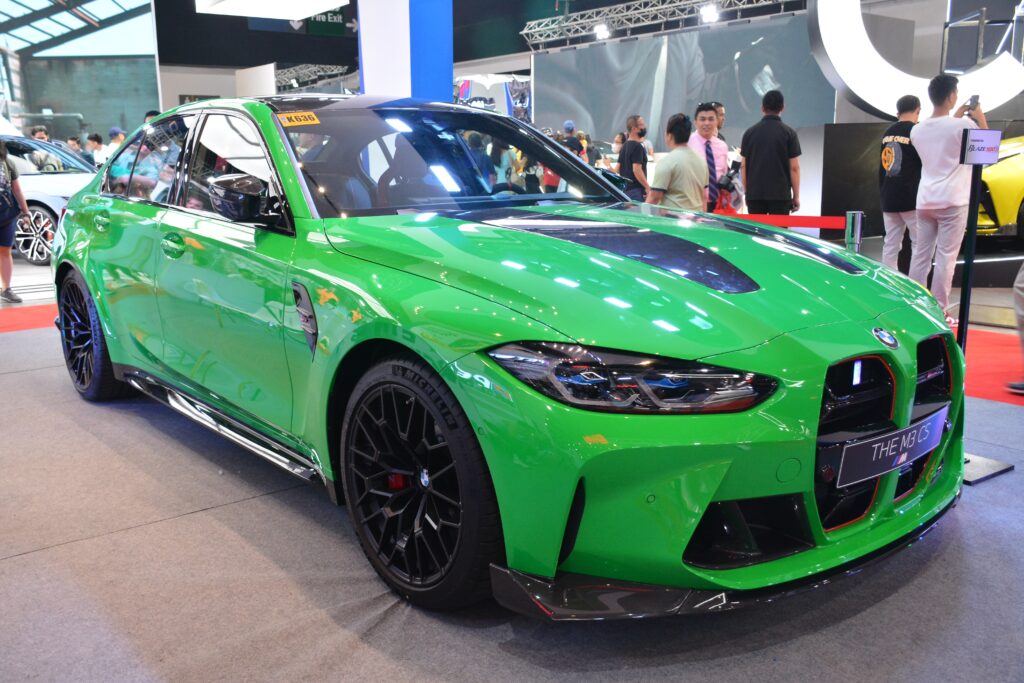
The current G80 M3 is still too new to have a comprehensive failure history, but early reports suggest it’s generally reliable. The S58 engine is an evolution of the S55 with upgraded internals and improved cooling, and it doesn’t appear to suffer from the crank hub issues that plagued the F80. The main concerns at this point are related to the car’s complexity—it has more electronics, more sensors, and more potential failure points than any previous M3.
Early reports suggest that the cooling system is robust, the turbochargers are reliable, and the engine internals are strong. The DCT transmission carries over from the F80 with improvements, and it appears to be holding up well. The main issues reported so far are minor electrical glitches, software bugs, and the occasional sensor failure—typical new-car teething problems rather than fundamental design flaws.
The G80 M3 is an extraordinarily complex car with a level of electronic integration that makes diagnosis and repair more expensive than previous generations. When things do go wrong, parts and labor costs are higher, and independent shops may struggle with the advanced electronics. If you’re buying a G80 M3, an extended warranty is worth considering, particularly if you plan to keep the car beyond the factory warranty period.
The Bottom Line: Budget for BMW M3 Maintenance and Repairs
The M3 is a brilliant car, but it’s not a Toyota Camry. Every generation has its weak points, and ownership costs can be significant, particularly as these cars age and depreciate. The key to successful M3 ownership is understanding what breaks, budgeting for preventive maintenance, and addressing issues before they become catastrophic failures.
If you’re shopping for an M3, do your homework. Get a pre-purchase inspection from a BMW specialist who knows these cars inside and out. Ask about service history, particularly for the major failure points like rod bearings, VANOS, subframe reinforcement, and cooling system overhauls. Walk away from cars that have been neglected or show signs of deferred maintenance—the money you save on the purchase price will be spent many times over on repairs.
And if you already own an M3, stay on top of maintenance. Change your oil religiously, address cooling system issues immediately, and don’t ignore warning signs like unusual noises or check engine lights. The M3 rewards attentive owners with incredible performance and driving pleasure, but it punishes neglect with expensive failures. Know what you’re getting into, budget accordingly, and enjoy one of the greatest sports sedans ever built.
Additional Resources
Sources
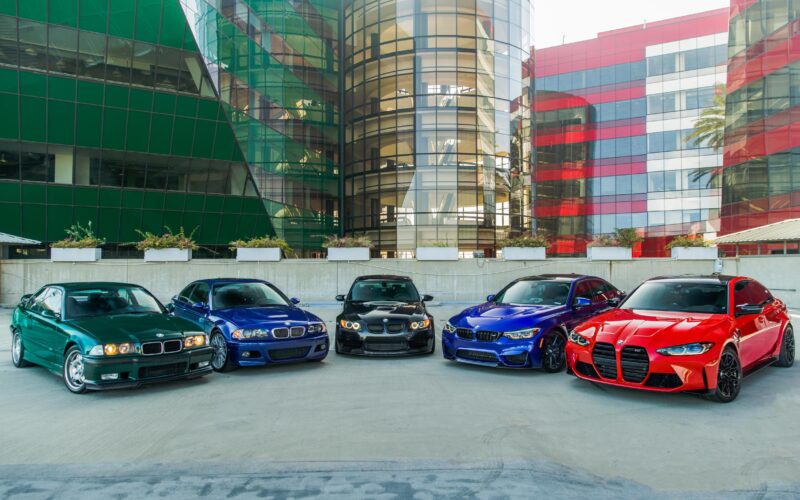
Twitter / Zero2Turbo M3 lineup photo
Ultimate BMW M3 Review (BMWBLOG)